
Why IT Professionals Should Pay Attention to GE Breakers Before the Next Power Failure

IT News for GE Breakers

Modern information technology depends on more than servers, software, cloud platforms, and cybersecurity controls. Every device in an organization’s technology environment ultimately relies on a stable electrical supply. A single electrical fault can interrupt network access, damage equipment, corrupt data, and bring business operations to a sudden stop.

Circuit breakers rarely receive attention from an IT department until something fails. They are often treated as building components that belong solely to electricians or facilities personnel. That division of responsibility makes sense operationally, but IT professionals still benefit from understanding how electrical protection affects their systems. Servers, switches, wireless access points, storage arrays, workstations, security systems, and communications equipment cannot remain reliable when the circuits supporting them are overloaded, damaged, or incorrectly maintained.

Reliable electrical distribution should therefore be part of every serious conversation about uptime, disaster recovery, equipment protection, and business continuity. ⚡

Power Problems Are IT Problems

An electrical failure does not remain confined to an electrical panel. Its effects can move rapidly through an organization’s technology infrastructure. A tripped breaker may disconnect a server rack, disable part of a network, interrupt an internet connection, or shut down the cooling equipment protecting sensitive hardware.

According to reporting from The Register, power issues accounted for a substantial share of the most consequential data-center outages reported during 2025. Although large data centers operate on a different scale than a typical business server room, the fundamental risk is the same. Technology cannot operate without dependable power.

Power failures can produce several types of damage. A sudden shutdown may corrupt active files, interrupt database transactions, damage operating systems, or cause storage problems. Repeated fluctuations can shorten the life of power supplies and other electronic components. An overheated connection or overloaded circuit may also create a fire hazard that threatens both equipment and personnel.

IT teams commonly monitor processor temperatures, storage capacity, bandwidth, application availability, and cybersecurity events. Electrical conditions deserve a place within that broader view of infrastructure health.

The Role of Circuit Breakers in Technology Environments

A circuit breaker is designed to interrupt electrical current when conditions become unsafe. As explained in the Wikipedia overview of circuit breakers, the device protects an electrical circuit from damage caused by excess current resulting from overloads or short circuits.

The breaker is only one part of the electrical distribution system, but it performs an essential protective function. When current rises beyond safe limits, the breaker opens the circuit. This action helps prevent wiring from overheating and reduces the possibility of equipment damage or fire.

Organizations that operate equipment using General Electric panels may depend on GE Breakers to provide compatible circuit protection. Correct compatibility matters because breakers are designed for particular panels, electrical ratings, and applications. Physical appearance alone does not establish whether a replacement device is suitable.

IT professionals should never install, replace, or modify breakers unless they are properly trained, licensed, and authorized to perform electrical work. They should, however, know which panels and circuits support critical technology. That information allows them to communicate clearly with electricians, facilities managers, and emergency personnel when maintenance or troubleshooting is required.

A Breaker Trip Is a Warning, Not an Inconvenience

When a breaker trips, the immediate temptation may be to reset it and restore service. A trip is a protective response to an abnormal condition, not simply an interruption to be dismissed. The underlying cause may be an overloaded circuit, failed power supply, damaged cable, loose connection, short circuit, or malfunctioning device.

Repeatedly resetting a breaker without identifying the cause can expose equipment and personnel to unnecessary risk. The appropriate response is to document what happened, identify the affected systems, disconnect suspect equipment when safe to do so, and involve a qualified electrical professional.

The IT department can help by providing useful operational details. These may include the equipment running at the time, recent hardware additions, changes in rack configuration, unusual noises or odors, alerts from uninterruptible power supplies, and the exact sequence in which systems lost power.

This information can shorten troubleshooting time. It also helps distinguish a problem originating within a piece of IT equipment from one involving the branch circuit, breaker, panel, or upstream electrical supply.

Growing Computing Demands Are Changing Electrical Loads

Technology environments rarely remain static. Businesses add servers, displays, charging stations, network appliances, security cameras, wireless equipment, and specialized hardware over time. Each new device adds to the electrical load.

Artificial intelligence is intensifying this issue. High-performance processors, accelerators, and cooling systems require considerably more power than conventional office equipment. The National Institute of Standards and Technology identifies power, sustainability, physical infrastructure, operational technology, and supply-chain security among the important considerations surrounding AI data centers.

Even organizations without private AI clusters are experiencing gradual growth in electrical demand. An office circuit that was adequate when the building opened may eventually be asked to support far more equipment than originally anticipated.

IT departments should notify facilities personnel before installing equipment that will materially change a room’s power requirements. Device labels and manufacturer specifications can help estimate demand, but a qualified electrician should determine circuit capacity, conductor requirements, breaker selection, and code compliance.

Planning before installation is far less disruptive than discovering an overloaded circuit after systems are placed into production.

Cloud Computing Does Not Eliminate Power Risk

Moving applications to the cloud changes where the physical equipment operates, but it does not eliminate dependence on electricity. Cloud providers use sophisticated backup systems, redundant infrastructure, and geographically distributed facilities. Those protections reduce risk without making outages impossible.

A 2026 Data Center Dynamics report described a Google Cloud service disruption associated with power and cooling problems at a Netherlands data center. The incident demonstrates how physical infrastructure can still affect services delivered through highly advanced cloud platforms.

Businesses also retain local dependencies after migrating to the cloud. Employees need functioning routers, switches, firewalls, access points, computers, and internet service to reach cloud resources. If a local electrical circuit fails, cloud applications may remain online while the affected office loses access to them.

Resilience planning should therefore address both sides of the connection. Cloud redundancy protects hosted workloads, while local power protection supports the people and devices that use those workloads.

UPS Systems and Breakers Perform Different Jobs

An uninterruptible power supply can provide temporary power during an outage, regulate certain voltage conditions, and give systems time to shut down safely. It does not replace appropriate circuit protection.

A breaker protects the wiring and circuit from unsafe current. A UPS provides conditioned or temporary power to connected equipment within the limits of its design. Surge protection, generators, automatic transfer switches, power distribution units, and redundant power supplies perform additional functions. These components work together, but they are not interchangeable.

A UPS may conceal an electrical problem for a short period by keeping hardware online after utility power is lost. Monitoring software should therefore be configured to report transfers to battery power, input-voltage irregularities, battery failures, overloads, and reduced runtime.

The IT team should also test shutdown procedures. A battery backup that lasts ten minutes provides little protection if critical systems require twenty minutes to shut down properly. Batteries degrade with age, heat, and use, making routine testing essential.

Inventory and Documentation Improve Response Time

Accurate documentation can turn a confusing outage into an organized response. Every organization should maintain a record showing which electrical circuits support critical IT assets.

Useful documentation includes panel identifiers, breaker numbers, room locations, rack assignments, connected equipment, UPS units, network dependencies, and emergency contacts. The record should also identify equipment that shares circuits with cooling systems, lighting, office appliances, or other non-IT loads.

Labels should be clear and durable. Informal descriptions such as “server room breaker” may be inadequate when several panels or rooms are involved. Precise documentation helps authorized personnel isolate a problem without shutting down unrelated systems.

The Cybersecurity and Infrastructure Security Agency recognizes communications and information technology among the sectors vital to national security, public safety, and economic activity. Although an individual business may operate on a smaller scale, the same principle applies internally. Technology assets are critical infrastructure for the organization that depends on them.

Documentation should be updated whenever equipment is moved, circuits are added, panels are replaced, or server-room layouts change. An outdated circuit map can create additional confusion during an emergency.

Maintenance Should Include the Electrical Foundation

Preventive IT maintenance often focuses on patches, backups, storage health, warranties, cooling, and security. The electrical system supporting the equipment should be included in the maintenance program through coordination with qualified professionals.

Electrical inspections may identify overheating, corrosion, loose connections, physical damage, improper labeling, obsolete equipment, or breakers that no longer perform reliably. Thermal imaging is sometimes used to locate abnormal heat that may indicate a developing connection or load problem. These inspections must be performed according to applicable safety procedures by people qualified for the work.

Facilities and IT teams should schedule electrical work together. Planned shutdowns provide an opportunity to verify backups, stop applications correctly, power down hardware in sequence, and confirm successful recovery after service is restored.

Unexpected outages provide none of those advantages. The cost of preventive coordination is generally easier to manage than the combined expense of emergency electrical work, damaged equipment, lost productivity, and data recovery.

Power Resilience Belongs in Disaster-Recovery Planning

A disaster-recovery plan that assumes electricity will always be available is incomplete. The plan should address short interruptions, extended utility outages, local circuit failures, UPS malfunctions, generator problems, cooling loss, and safe equipment shutdown.

Recent coverage of an IBM Cloud data-center power outage illustrated how quickly a power incident can disrupt hosted services. Such events reinforce the value of geographic redundancy, tested failover procedures, accurate status communication, and realistic recovery expectations.

IT leaders should define which systems must remain online, how long backup power can sustain them, and which services can be shut down first. They should also determine how employees will communicate if local network equipment, internet service, or phone systems become unavailable.

Recovery plans need regular testing. Written procedures can contain hidden assumptions that become visible only during an exercise. A controlled test may reveal that a UPS has insufficient runtime, a network switch lacks backup power, a generator does not support cooling equipment, or essential staff cannot access documentation during an outage.

IT and Facilities Teams Need a Shared Strategy

Electrical reliability improves when IT and facilities personnel communicate routinely instead of meeting only during emergencies. Each team brings different expertise. Facilities professionals understand panels, circuits, building systems, codes, and electrical contractors. IT professionals understand application dependencies, hardware sensitivity, network architecture, shutdown requirements, and business priorities.

A shared review can identify single points of failure that neither team would recognize independently. A redundant server may provide little protection if both power supplies connect to the same circuit. Two internet connections may still fail together if their networking equipment shares one UPS. A generator may keep the server room powered while leaving its cooling system offline.

Reporting from Data Center Dynamics has shown that abrupt changes involving large computing loads can affect the wider electrical grid. The scale may differ dramatically from a business office, but the lesson remains relevant: computing infrastructure and electrical infrastructure are closely connected.

Joint planning should occur before major deployments, office expansions, server-room renovations, or changes to backup-power systems. Early coordination makes it easier to design sufficient capacity and avoid emergency corrections later.

Conclusion

Circuit breakers are not glamorous pieces of technology, but they help protect every digital system connected to a building’s electrical network. Their condition, compatibility, capacity, and maintenance can directly influence equipment life, data integrity, network availability, and workplace safety.

IT professionals do not need to become electricians to take electrical reliability seriously. They need to understand which circuits support critical systems, recognize repeated breaker trips as warnings, document power dependencies, monitor UPS equipment, coordinate new installations, and include electrical failures in disaster-recovery planning.

The next power failure may begin outside the server room, inside a panel, or somewhere on the utility grid. Preparation determines whether it becomes a brief interruption or a costly operational crisis. By working closely with qualified electricians and facilities teams, IT professionals can strengthen the physical foundation beneath the organization’s entire digital environment.
How a Memphis Arborist Explains the IT Secret to Avoiding Bigger Problems Later

IT News for Arborist Near Me Memphis

When people think about IT, they usually picture servers, software updates, cybersecurity threats, cloud storage, help desks, passwords, data backups, and the occasional office-wide panic when something stops working at the worst possible time. When people think about a Memphis arborist, they picture trees, limbs, roots, storm damage, pruning, disease, and property safety. At first, those two worlds may not seem connected.

But they are more alike than most people realize.

A healthy tree and a healthy IT system both depend on what happens before the emergency. A tree does not usually fall because of one windy afternoon. A computer network does not usually fail because of one small glitch. Bigger problems often come from small warning signs that were missed, ignored, or pushed aside until they became expensive.

That is where the lesson from a Memphis arborist becomes useful for any IT website, business owner, property manager, or operations team. The secret is not waiting until something breaks. The secret is learning how to inspect, maintain, strengthen, and protect the system before failure happens. 🌳💻

A Memphis Arborist Understands That Problems Start Before They Become Visible

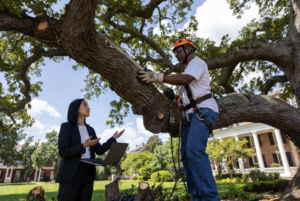
One of the most important things an arborist does is look for problems that most people do not notice. A tree may look strong from the sidewalk, but an experienced arborist may see early signs of disease, root stress, poor structure, soil issues, deadwood, pest activity, or storm vulnerability. To the untrained eye, the tree looks fine. To the trained eye, the tree is already sending warnings.

IT works the same way. A business network may look fine because the computers turn on and the internet works. But behind the scenes, there may be outdated software, weak passwords, overloaded devices, poor backup systems, unpatched security risks, or old equipment that is one bad day away from failure.

That is why the State of Tennessee’s Strategic Technology Solutions division focuses on planning, resources, execution, coordination, technical direction, services, and infrastructure for state information systems. Strong technology operations are not built on reaction alone. They depend on structure, planning, and consistent oversight.

A Memphis arborist would say the same thing about trees. The best time to identify risk is before limbs fall, roots fail, or decay spreads. The best time to strengthen IT is before the system crashes, data disappears, or security is compromised.

Preventive Maintenance Is Less Expensive Than Emergency Repair

Tree emergencies are stressful because they usually happen at the worst time. A storm moves through Memphis, a large limb falls near a building, a tree blocks access, or a property owner suddenly realizes that a neglected tree has become a safety concern. At that point, the work is no longer simple maintenance. It becomes urgent response.

IT emergencies follow the same pattern. A server goes down during business hours. A website stops loading when customers are trying to contact the company. An employee clicks a suspicious link. Files vanish because backups were not tested. A business suddenly learns that its system was more fragile than it looked.

Preventive maintenance is not always exciting, but it is almost always smarter than waiting for damage. Tree inspections, proper pruning, health evaluations, and risk assessments can reduce the chance of dangerous failures. In IT, updates, monitoring, cybersecurity reviews, backup testing, and equipment audits can reduce the chance of serious downtime.

The Tennessee government’s State Government Cybersecurity information explains how cybersecurity is managed at the enterprise level through centralized IT leadership, cybersecurity, and risk management. That matters because risk does not disappear by itself. It has to be managed before it grows.

For property owners searching for qualified tree care help, working with an Arborist Near Me Memphis can help identify tree issues before they become bigger property problems. For IT teams, the same principle applies: bring in the right expertise early, not after the damage is already done.

Small Warning Signs Should Never Be Ignored

A tree often gives signs before failure. There may be cracking bark, dead branches, mushrooms near the base, leaning, exposed roots, canopy thinning, insect activity, or limbs that look weak after storms. These signs may seem minor, but they can point to deeper problems.

IT systems also show warning signs. Slow loading times, frequent password resets, unusual login attempts, outdated plugins, strange error messages, random disconnections, overheating hardware, and repeated employee complaints can all be early indicators of bigger issues.

The problem is that small issues are easy to normalize. A business owner may say, “The website has always been a little slow.” A property manager may say, “That branch has looked dead for years.” An office may say, “The system freezes sometimes, but it comes back.” Those statements are often the beginning of a bigger problem.

The University of Tennessee, Knoxville’s Office of Innovative Technologies maintains a security news category that highlights technology alerts and security-related updates. That kind of communication is important because awareness helps people respond before a small issue becomes widespread.

A Memphis arborist looks at a tree with the assumption that symptoms matter. IT professionals look at systems the same way. The small signals are not interruptions. They are information.

The Strongest Systems Are Built with Layers of Protection

A healthy tree is not protected by one thing. It needs strong roots, good soil, proper structure, enough space, balanced pruning, and protection from disease or pests. If one layer weakens, the rest of the tree may still hold for a while, but the risk increases.

IT security is also layered. A business should not rely on one password, one firewall, one backup, or one person who “knows where everything is.” Strong IT protection may include secure access controls, multi-factor authentication, endpoint protection, cloud backups, employee training, software updates, network monitoring, and disaster recovery planning.

This layered approach is especially important as Tennessee continues to grow in technology, research, logistics, healthcare, education, and business infrastructure. The FedEx Institute of Technology at the University of Memphis brings together experts, training programs, webinars, hackathons, and emerging technology discussions that support innovation and skill development.

That kind of technology leadership reflects a bigger truth: systems need support from multiple directions. A tree needs more than water. IT needs more than antivirus software. Businesses need a full view of risk, not a single quick fix.

Storms Reveal Weaknesses That Were Already There

In Memphis, storms can expose tree problems quickly. A tree with poor structure, hidden decay, weak branches, or compromised roots may stand for years until heavy wind or rain puts pressure on it. The storm gets blamed, but the weakness was often there first.

IT has its own storms. A sudden traffic spike, a ransomware attempt, a failed update, a power outage, a vendor disruption, or an employee mistake can reveal problems that were already hiding inside the system. The event may be sudden, but the vulnerability may have been building for months or years.

This is why testing matters. Arborists assess trees before storms cause damage. IT teams should test backups, review security, check access permissions, evaluate vendors, and confirm recovery plans before something goes wrong.

Oak Ridge National Laboratory’s work in cybersecurity shows how serious technology environments require advanced security protocols, cyber resilience, and protected data practices. While most small businesses do not operate like a national laboratory, the lesson still applies. Critical systems need preparation, not panic.

A tree that survives a storm usually had strength before the storm arrived. An IT system that survives disruption usually had planning before the disruption happened.

Growth Without Maintenance Creates Risk

Growth sounds positive, and it usually is. A tree grows taller, spreads wider, and adds shade and beauty to a property. But unmanaged growth can create problems. Branches may grow too close to buildings, power lines, roofs, signs, sidewalks, or parking areas. Weight distribution can become uneven. Crowded limbs can limit airflow. Roots may become stressed by construction, soil compaction, or poor drainage.

Business growth creates similar IT pressure. A company adds employees, devices, software subscriptions, customer records, cloud tools, payment systems, email accounts, websites, and digital workflows. At first, everything may feel manageable. Over time, the system becomes more complicated.

Without maintenance, growth creates hidden risk. Old employees may still have access to accounts. Software subscriptions may overlap. Website plugins may go unused but remain active. Files may be stored in too many places. Customer data may not be organized securely. The business grows, but the IT structure does not grow with it.

The broader technology landscape in Tennessee includes major cities, universities, research centers, logistics operations, healthcare networks, and business sectors that all depend on reliable infrastructure. As businesses grow in this environment, technology must be treated as part of the foundation, not an afterthought.

A Memphis arborist would not tell a property owner to stop a tree from growing. The goal is healthy growth. IT should work the same way. Growth is good when it is guided, monitored, and supported.

Expert Eyes Can See What Routine Users Miss

Most property owners can see when a tree has fallen. Fewer can identify early structural weakness, disease patterns, root-zone problems, or pruning mistakes. That is why arborist knowledge matters.

Most business owners can tell when the internet is down. Fewer can evaluate network architecture, cybersecurity risk, backup integrity, domain health, DNS issues, server configuration, or software vulnerabilities. That is why IT expertise matters.

The value of an expert is not only in fixing what is obvious. The real value is in seeing what others miss.

This is especially important for businesses that depend on websites, online forms, customer databases, appointment systems, email marketing, cloud platforms, or digital payments. A hidden weakness can affect revenue, reputation, customer trust, and daily operations.

Tennessee’s growing focus on artificial intelligence, cyber readiness, and digital workforce development can be seen through efforts like AI Tennessee, which highlights research, innovation, and technology leadership connected to the state’s future. That kind of forward-looking mindset is exactly what businesses need at the local level.

The same is true for tree care. A property owner who waits until a tree becomes visibly dangerous may face fewer options and higher costs. A business that waits until its IT system fails may face downtime, data loss, customer frustration, and emergency repair bills.

Documentation Matters in Tree Care and IT

Good arborist work is not just physical labor. It also involves assessment, recommendations, planning, and communication. A property owner may need to know which trees are healthy, which need pruning, which should be monitored, and which may need removal. Documentation helps make better decisions over time.

IT documentation is equally important. Businesses should know what software they use, who has access, where data is stored, when backups run, which vendors support key systems, when warranties expire, and what steps to take in an emergency.

Without documentation, businesses rely on memory. That becomes dangerous when an employee leaves, a vendor changes, a system fails, or an urgent decision has to be made quickly.

A Memphis arborist can explain this simply: guessing is not a plan. In tree care, guessing about health and structure can lead to property damage. In IT, guessing about systems and security can lead to operational failure.

The Real IT Secret Is Not Complicated

The secret to avoiding bigger IT problems later is not mysterious. It is the same lesson a Memphis arborist applies every day: inspect early, maintain consistently, respond to warning signs, protect the structure, and never assume that silence means safety.

A quiet tree may still have decay. A quiet network may still have vulnerabilities. A green canopy may still hide weak limbs. A working computer system may still be one missed update away from a serious problem.

The smartest businesses do not wait for collapse. They build habits around prevention.

They schedule reviews. They listen to experts. They take small issues seriously. They understand that maintenance is not wasted money. It is protection against bigger loss.

Conclusion

A Memphis arborist and an IT professional may work in very different environments, but they understand the same truth: big problems usually begin as small problems that were ignored too long.

Trees need inspections, pruning, health management, and risk awareness before they threaten a property. IT systems need updates, monitoring, cybersecurity planning, backups, documentation, and expert review before they threaten a business.

For an IT website, this comparison is powerful because it makes technology risk easy to understand. A business owner may not fully understand servers, firewalls, DNS settings, endpoint protection, or cloud infrastructure. But they can understand a tree limb hanging over a roof. They can understand how neglect leads to risk. They can understand why prevention is better than emergency repair.

That is the lesson a Memphis arborist can teach any IT team, business owner, or decision-maker: do not wait until the crash, break, breach, fall, or failure. Take care of the system while it is still standing. 🌳

Why Smart IT Teams in San Jose Are Paying Attention to HVAC Repair Before It Becomes an Emergency

IT News for HVAC Repair San Jose

San Jose is one of the most technology-driven cities in the country, and that means IT teams are responsible for far more than laptops, software updates, cloud access, and cybersecurity alerts. In a city connected to the larger Silicon Valley technology ecosystem, businesses rely on nonstop digital performance. Servers need stable environments, employees need comfortable workspaces, networks need protected infrastructure, and buildings need systems that support productivity from the background.

That is where HVAC becomes more important than many companies realize.

For an IT department, a failing HVAC system is not just a facilities problem. It can quickly become a network problem, a hardware problem, a data protection problem, a customer service problem, and a business continuity problem. When office temperatures spike, server rooms overheat, equipment works harder, employees lose focus, and emergency repairs become more expensive than planned maintenance.

Smart IT teams in San Jose are paying closer attention to heating, ventilation, and air conditioning because modern technology depends on physical reliability. Even the most advanced digital systems still need stable power, clean air, controlled temperatures, and a building environment that does not put critical operations at risk. Waiting until an HVAC unit breaks down can expose a company to downtime, equipment damage, uncomfortable employees, frustrated customers, and avoidable emergency costs.

San Jose IT Teams Are Thinking Beyond Traditional Technology

The role of IT has expanded. Years ago, IT departments were mainly expected to keep computers running, protect passwords, manage networks, and respond when something went wrong. Today, IT leaders are often involved in business continuity, security planning, vendor evaluation, cloud migration, compliance, automation, smart building technology, and operational risk.

That shift is especially noticeable in San Jose, where the City of San José Information Technology Department has positioned technology as part of public service, innovation, artificial intelligence, and digital transformation. This local emphasis on smarter systems reflects what businesses are experiencing as well. Technology is no longer separate from the building. It is woven into the way an organization operates every day.

For private companies, medical offices, manufacturers, data-driven firms, schools, agencies, and professional service businesses, the IT team may not directly manage the HVAC system. However, IT often feels the consequences when HVAC systems fail. A poorly cooled server closet can trigger device failure. A hot office can slow productivity. Poor ventilation can affect comfort and workplace satisfaction. A sudden outage can interrupt customer-facing systems and internal workflows.

That is why the smartest IT leaders do not wait until the air conditioning goes out during a hot afternoon. They understand that the physical environment is part of the technology stack.

HVAC Problems Can Create Real Downtime

Downtime does not always start with a cyberattack or a software bug. Sometimes it starts with heat.

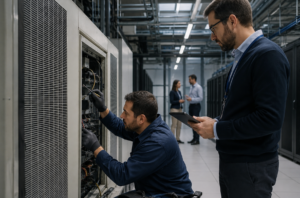
When temperatures rise inside an office, equipment rooms, network closets, and small server spaces can become vulnerable quickly. Switches, routers, servers, backup drives, phone systems, and security hardware all generate heat. If the HVAC system is already struggling, those devices may operate in conditions that shorten their lifespan or cause sudden shutdowns.

For companies that depend on cloud platforms, remote access, VoIP phones, security cameras, customer portals, or internal databases, even a short disruption can become a major inconvenience. IT teams spend years building redundancy into digital systems, but the physical environment can still become a weak point.

This is why proactive maintenance and fast service matter. A business looking for HVAC Repair San Jose is not only trying to restore comfort. It may also be trying to protect computers, servers, employees, customers, and daily operations from preventable disruption.

In San Jose, where so many organizations rely on technology-heavy workflows, HVAC reliability can support the same goal IT teams care about most: keeping systems running.

Data Centers and Tech Facilities Make Cooling a Serious Business Issue

The connection between cooling and technology is especially clear when looking at data centers. San Jose has been part of ongoing conversations about data center standards, energy use, infrastructure planning, and community impact, with local reporting from San José Spotlight showing how important these facilities have become to the region.

While most businesses do not operate massive data centers, they often have smaller versions of the same challenge. A server closet, network cabinet, equipment room, point-of-sale system, security hub, or communications closet can still become heat-sensitive. The scale may be smaller, but the risk is similar. Technology needs the right environment.

IT teams understand that cooling is not just about comfort. It is about performance and reliability. Heat can make hardware work harder. Dust and poor ventilation can create maintenance problems. Inconsistent temperatures can make sensitive systems less dependable. If a business has expensive equipment, uninterrupted internet, internal software, and customer-facing systems, the HVAC system becomes part of the operational foundation.

That is why preventive HVAC attention can be a smart business decision instead of a last-minute expense.

Smart Buildings Are Blending IT and Facilities

San Jose’s interest in digital modernization is not limited to private businesses. The city’s Digital Services efforts show how data, responsive services, and technology training can help organizations work better. That same idea applies inside commercial buildings.

Modern buildings increasingly use connected thermostats, sensors, automation tools, access control systems, energy dashboards, security platforms, and cloud-based monitoring. These tools often touch both IT and facilities. When HVAC systems become connected to building management platforms, IT may be involved in network access, security, device permissions, vendor software, and data visibility.

That means HVAC is no longer isolated equipment sitting on a roof or tucked away in a mechanical room. It can be part of a larger connected environment.

For IT teams, this creates two priorities. First, they need the HVAC system to work reliably so business operations stay stable. Second, they need connected building systems to be secure, maintained, and properly managed. A smart thermostat, building automation panel, or remote monitoring system may seem small, but it still belongs inside the broader technology conversation.

When IT and facilities work together, companies can catch problems earlier, reduce emergency repair situations, and make smarter decisions about comfort, efficiency, and uptime.

AI Growth Makes Physical Infrastructure Even More Important

Artificial intelligence is becoming a major topic in San Jose’s civic and business conversations. The city has received coverage for training employees to build AI tools, including reporting from StateScoop about San Jose’s AI upskilling program. AI, automation, and digital services are changing how organizations think about productivity.

But as companies become more digital, they also become more dependent on physical infrastructure.

AI tools, cloud systems, analytics platforms, online customer support, remote collaboration, and automated workflows all require reliable environments. Even when a company uses cloud-based software, the local office still depends on internet equipment, Wi-Fi access points, computers, monitors, phone systems, and backup devices. If the building becomes uncomfortable or equipment overheats, the digital advantage can disappear quickly.

This is one reason IT teams are paying more attention to HVAC before problems become emergencies. Technology growth increases the need for reliability. The more a company depends on digital systems, the less room it has for avoidable breakdowns.

Emergency HVAC Repairs Can Disrupt More Than the Temperature

An HVAC emergency rarely happens at a convenient time. It may happen during a heat wave, in the middle of a workday, before an important client meeting, during a software rollout, or when staff is already dealing with other problems.

Emergency repairs can also create a ripple effect. Employees may have to relocate. Equipment may need temporary cooling. IT may receive complaints about devices acting strangely. Managers may have to delay work. Customers may notice slower responses. If the building houses sensitive equipment, the risk becomes even greater.

Planned maintenance gives businesses more control. It allows teams to schedule service before peak demand. It helps identify worn parts, airflow issues, refrigerant problems, thermostat concerns, and system inefficiencies before they create a full breakdown.

For IT teams, this kind of planning feels familiar. It is the same mindset behind software patches, backups, monitoring tools, and cybersecurity reviews. Smart companies do not wait for failure before protecting critical systems. HVAC deserves the same preventive thinking.

San Jose’s Innovation Culture Encourages Proactive Planning

San Jose continues to build its identity around innovation, technology, and practical problem-solving. The city’s ITD in the News page highlights ongoing coverage around artificial intelligence, data strategy, civic technology, and government innovation. This kind of local environment influences how businesses think.

In an innovation-focused city, reactive maintenance is becoming outdated. Businesses are expected to be more efficient, more secure, more resilient, and more prepared. IT teams already live in that world. They monitor systems, prevent threats, create backups, review logs, and plan for outages.

HVAC maintenance fits naturally into that same mindset. A reliable building environment supports reliable technology. A comfortable workplace supports better employee performance. A well-maintained system supports lower risk and fewer surprises.

As more companies adopt advanced software, automation, and digital operations, the basics become even more important. Airflow, cooling, ventilation, and temperature control may not sound exciting, but they can make the difference between a normal business day and an expensive interruption.

IT Teams Can Help Build Better HVAC Response Plans

IT professionals do not need to become HVAC technicians. However, they can help companies create better response plans.

For example, IT teams can identify which rooms contain heat-sensitive equipment. They can document which systems are most critical. They can work with facilities teams to determine temperature thresholds for server closets and equipment rooms. They can help decide who should be notified if temperatures rise. They can also make sure connected HVAC controls are secure and properly managed on the network.

This kind of cooperation can prevent confusion when something goes wrong. Instead of waiting for employees to complain that the office is hot or for equipment to fail, the business can respond sooner.

San Jose’s push to create better technology pathways, including coverage from Government Technology about the city’s IT Innovation Hub, reflects a larger point: better systems come from better coordination. Businesses can apply the same idea internally. Facilities, IT, leadership, and trusted service providers should not operate in separate silos when physical comfort and digital uptime are connected.

Comfort Still Matters for Productivity

It is easy for IT conversations to focus only on servers, devices, and infrastructure. But people are part of the system too.

Employees do better work in comfortable environments. When an office is too hot, too cold, stuffy, or inconsistent, productivity suffers. People become distracted. Meetings feel longer. Customers may notice frustration. A business can have the best software in the world and still struggle if the workplace feels uncomfortable.

HVAC performance also affects first impressions. Clients, vendors, job candidates, and partners notice the environment when they walk into a building. A comfortable, professional space supports credibility. An uncomfortable space can make a company look unprepared.

For IT teams, this matters because technology exists to support people. If the workplace is not functional, the digital tools are not reaching their full value.

Conclusion

Smart IT teams in San Jose are paying attention to HVAC repair before it becomes an emergency because they understand how connected modern business has become. Cooling, ventilation, equipment protection, employee comfort, cybersecurity, smart building tools, and uptime are no longer separate conversations. They all support the same goal: keeping the organization running smoothly.

In a city shaped by innovation, artificial intelligence, digital services, and Silicon Valley expectations, businesses cannot afford to treat HVAC as an afterthought. A failing system can affect hardware, productivity, customer experience, and operational stability. Preventive attention can reduce emergencies, protect equipment, improve comfort, and give companies more control over their environment.

The smartest IT teams are not waiting for the building to become uncomfortable before taking action. They are working with facilities teams, leadership, and trusted HVAC professionals to protect the physical foundation that digital business depends on.

In San Jose, reliable technology starts with reliable infrastructure. That includes the air people breathe, the temperatures equipment depends on, and the HVAC systems working quietly in the background every day. ✅

Chemical Manufacturing Companies Have an IT Problem—and It’s Getting Expensive

IT News for Chemical Manufacturing Companies Near Me

Chemical manufacturing has always been a high-stakes industry. Every process matters. Every material has to be handled correctly. Every production schedule, shipment, safety standard, compliance record, and customer order depends on accuracy. But as the industry becomes more digital, many chemical manufacturing companies are discovering a costly truth: their IT systems are no longer just a back-office concern. They are now directly tied to production, safety, cybersecurity, compliance, customer service, and long-term growth.

For years, many manufacturers treated IT as something that kept the computers working, fixed email issues, managed printers, and helped employees log back into systems when passwords failed. That old view is now too limited. Modern chemical manufacturing depends on connected systems, secure data, automation, cloud platforms, enterprise resource planning software, inventory controls, customer portals, digital documentation, and cybersecurity protection.

When IT falls behind, the cost is no longer just a slow computer or a frustrated employee. The cost can show up as production delays, supply chain mistakes, compliance problems, lost customers, cyber risk, and expensive downtime. That is why chemical manufacturers that want to stay competitive have to view IT as a serious business function, not a support department that only gets attention when something breaks.

Why IT Matters More Than Ever in Chemical Manufacturing

Chemical manufacturing companies operate in a world where precision is everything. From raw material tracking to batch production, quality control, shipping, documentation, and regulatory reporting, technology now touches nearly every part of the business. A weak IT foundation can create problems that spread across the entire operation.

The broader world of information technology has changed dramatically, and manufacturing has changed with it. Businesses are no longer relying on isolated computers and paper-based systems the way they once did. Today, the companies that move faster, protect data better, communicate more clearly, and serve customers more efficiently usually have stronger digital systems behind the scenes.

In chemical manufacturing, this matters even more because the stakes are higher. A small data entry error can affect inventory. A software outage can delay production. A cybersecurity incident can expose sensitive business information. A disconnected system can make it harder for leadership to understand what is happening in real time.

Many chemical manufacturers are still working with outdated systems that were never designed for the speed and complexity of today’s market. Some rely on legacy software that does not integrate well with modern tools. Others have data spread across spreadsheets, email inboxes, old databases, and disconnected platforms. This creates confusion, slows down decision-making, and makes it harder to scale.

The Hidden Cost of Outdated IT Systems

Outdated IT does not always look like a major problem at first. A company may still be able to take orders, produce materials, send invoices, and manage daily operations. But beneath the surface, inefficiencies begin to pile up.

Employees spend extra time looking for information. Customer requests take longer to process. Production teams may not have accurate inventory visibility. Sales teams may not know the status of an order. Managers may have to rely on manual reports that are already outdated by the time they are reviewed. These are not small issues. Over time, they become expensive.

One of the biggest problems is downtime. If a system goes down during a busy production period, the financial impact can be immediate. Orders can be delayed, employees can be left waiting, and customers can lose confidence. For chemical manufacturing companies, where timing, safety, and compliance all matter, downtime can create more than inconvenience. It can create serious operational risk.

Outdated systems can also make it harder to respond to market changes. If a company cannot quickly see inventory levels, production capacity, supplier delays, or customer demand trends, it may make decisions based on incomplete information. In a competitive industry, slow information can become a major disadvantage.

This is one reason more business leaders follow enterprise technology updates from sources like CIO, Computerworld, and CIO Dive. IT is no longer only a technical subject. It is a leadership issue that affects strategy, profitability, and resilience.

Cybersecurity Is Now a Manufacturing Problem

Cybersecurity has become one of the most serious IT concerns for manufacturers. Chemical manufacturing companies often store valuable information, including formulas, supplier records, customer data, pricing details, employee records, safety documentation, and operational processes. That kind of information can be attractive to cybercriminals.

The problem is that many manufacturers still underestimate their risk. Some assume they are too small to be targeted. Others believe cyberattacks mainly happen to banks, hospitals, or large technology companies. That thinking is dangerous. Any business with valuable data, connected systems, and operational dependence on technology can become a target.

A cybersecurity incident can damage a chemical manufacturer in several ways. It can interrupt production, lock employees out of important systems, expose confidential information, create legal and compliance issues, and hurt customer trust. Even after systems are restored, the business may face recovery costs, reputation damage, and lost opportunities.

Good cybersecurity requires more than antivirus software. It requires employee training, strong passwords, multi-factor authentication, secure backups, software updates, access controls, network monitoring, vendor management, and a plan for responding when something goes wrong. Companies that follow trusted technology reporting from sources like ZDNET and Reuters Technology can see how quickly cyber risks, artificial intelligence, data privacy, and business technology issues are changing.

For chemical manufacturing companies, cybersecurity should be part of the company’s overall risk management strategy. It belongs in leadership conversations, budget planning, compliance discussions, and operational reviews. Waiting until after an attack happens is far more expensive than building protection before a crisis.

Disconnected Systems Create Expensive Confusion

One of the most common IT problems in chemical manufacturing is disconnected software. A company may use one system for accounting, another for customer relationship management, another for inventory, another for production, another for shipping, and another for compliance records. When these systems do not communicate well, employees are forced to fill the gaps manually.

Manual work creates risk. Information may be entered twice. Updates may not reach every department. Employees may rely on old files or outdated spreadsheets. Managers may receive reports that do not match what is happening on the production floor. Customers may call for updates and receive incomplete answers.

Disconnected systems also make growth harder. A small company may be able to survive with manual workarounds for a while, but as order volume increases, those workarounds become bottlenecks. More customers, more products, more suppliers, and more compliance requirements all create more data. If the company’s IT systems cannot handle that data smoothly, growth becomes stressful and inefficient.

Better system integration can help chemical manufacturers improve visibility across the business. When production, inventory, sales, purchasing, accounting, and customer service are better connected, the company can operate with more confidence. Leaders can make better decisions because they have better information. Employees can spend less time chasing details and more time doing work that moves the business forward.

IT Problems Can Hurt Customer Trust

Customers may never see a chemical manufacturer’s IT systems, but they feel the results. When systems are slow, disorganized, or unreliable, customers notice delays, mistakes, poor communication, and inconsistent service.

A customer who needs documentation, order updates, product availability, safety data, or delivery information expects a professional response. If employees have to search through multiple systems or wait for someone else to confirm details, the customer experience suffers. In industries where reliability matters, slow communication can weaken trust.

Modern customers are used to faster digital experiences. They expect companies to be organized. They expect information to be accurate. They expect follow-up to be timely. Chemical manufacturing companies that invest in better IT can often provide a smoother and more professional customer experience.

This is especially important when buyers are comparing suppliers. A company that communicates clearly, provides accurate information, and makes the ordering process easier can stand out. Strong IT can support better quoting, better order tracking, better documentation, and better account management. Those improvements may not always be visible as “technology,” but they influence how customers judge the business.

For companies looking for a reliable chemical manufacturing resource, Chemical Manufacturing Companies Near Me can be a helpful place to learn more about manufacturing capabilities and services.

Compliance and Documentation Depend on Reliable Technology

Chemical manufacturing companies often deal with important documentation. This can include safety data sheets, quality records, production details, supplier documentation, customer requirements, regulatory information, and internal procedures. If those records are hard to find, poorly organized, or stored in outdated systems, the company can face unnecessary risk.

Good IT systems help keep documentation organized and accessible. They make it easier for employees to find the correct version of a file, track changes, manage approvals, and maintain records. They also help reduce dependence on scattered spreadsheets, personal folders, and email threads.

Poor documentation systems can create serious problems during audits, customer reviews, internal investigations, or compliance checks. If a company cannot quickly locate accurate records, it may appear disorganized even if the production work itself is strong. In a highly regulated and safety-conscious industry, documentation is part of credibility.

Technology can also help standardize processes. When employees follow clear digital workflows, the business becomes less dependent on memory or informal habits. This matters when training new employees, expanding operations, or maintaining consistency across departments.

Artificial Intelligence and Automation Are Raising the Bar

Artificial intelligence and automation are changing expectations across many industries, including manufacturing. Chemical manufacturing companies do not need to chase every new trend, but they do need to understand that digital expectations are rising.

AI can help with forecasting, customer support, data analysis, maintenance planning, document review, and workflow automation. Automation can reduce repetitive tasks, improve reporting, and help employees move faster. These tools are not a replacement for experienced people, but they can help strong teams become more efficient.

The companies that benefit most from new technology are usually the ones with a solid IT foundation already in place. If data is messy, systems are disconnected, and cybersecurity is weak, advanced tools become harder to use effectively. Before a company can take full advantage of AI or automation, it often needs to clean up its core systems first.

This is why business technology publications like MIT Technology Review are valuable for leaders who want to understand where technology is heading. The future of manufacturing will not be shaped only by equipment and materials. It will also be shaped by data, software, security, automation, and digital strategy.

IT Should Be Treated as a Growth Investment

For many chemical manufacturing companies, IT spending has historically been treated as a necessary expense. The goal was often to keep costs low and fix problems when they appeared. That mindset is becoming outdated.

Strong IT should be viewed as a growth investment. It can help a company reduce downtime, improve productivity, protect data, serve customers better, support compliance, and make smarter decisions. It can also make the business more attractive to larger customers who expect reliable systems, strong documentation, and professional communication.

Investing in IT does not always mean buying the most expensive software or chasing every new tool. It means building a technology environment that supports the company’s real needs. That may include upgrading outdated systems, improving cybersecurity, connecting software platforms, cleaning up data, training employees, modernizing the website, improving digital marketing, or creating better reporting tools.

The best IT strategy is practical. It should match the company’s size, goals, risks, and customer expectations. A smaller manufacturer may need better backups, stronger cybersecurity, improved email security, and cleaner documentation systems. A larger company may need integrated enterprise software, advanced reporting, cloud infrastructure, automation, and stronger compliance tools.

Conclusion

Chemical manufacturing companies have an IT problem, and it is getting expensive because technology now affects nearly every part of the business. Outdated systems, weak cybersecurity, disconnected software, poor documentation, and slow communication can all create real financial consequences.

The companies that continue to treat IT as an afterthought may find themselves dealing with more downtime, more mistakes, more customer frustration, and more risk. The companies that take IT seriously can build stronger operations, better customer trust, improved efficiency, and a more competitive future.

Chemical manufacturing will always depend on quality, safety, expertise, and reliable production. But in today’s market, those strengths need to be supported by modern technology. IT is no longer just the department that fixes computers. It is part of the foundation that helps chemical manufacturing companies operate smarter, safer, and more profitably.

What IT Consultants Can Learn from Mathias Green: The Judas Protocol

IT News for christian suspense novels

IT consulting is not just about fixing systems, recommending tools, or guiding a migration plan. At its best, it is about learning how to see what other people miss, staying calm when the facts are incomplete, and helping organizations make wise decisions when the stakes are high. That is exactly why Mathias Green: The Judas Protocol makes such an interesting read for this audience. On the novel’s official book page, the story opens with the death of theology professor Silas Hawthorne in a locked archive vault and a suppressed manuscript tied to earlier deaths, placing the reader in a world where anomalies are rarely random and patterns matter more than appearances. That premise alone speaks to the daily reality of IT advisors, who often step into environments where the visible problem is only a surface symptom of something far deeper.

The Best IT Consultants Learn to Read Patterns Before Everyone Else

According to Wikipedia’s overview of IT consulting, the field is centered on advising organizations on how to use technology to meet business goals. In practice, that means an IT consultant has to be part strategist, part investigator, and part translator. That role is becoming even more important in a market where Gartner’s 2026 IT spending forecast says worldwide IT spending is expected to reach $6.15 trillion in 2026, while McKinsey’s technology trends outlook continues to highlight AI, cybersecurity, cloud, and digital trust as defining forces. In other words, the pressure on consultants is increasing, not shrinking. The people who stand out are the ones who can look at scattered clues, separate noise from signal, and identify the pattern before the organization pays the price for missing it.

That is one of the clearest lessons in The Judas Protocol. Mathias Green does not simply react to a dramatic event. He studies the inconsistencies around it. He notices what does not fit. He follows the thread behind the official explanation. IT consultants live in that same mental space. A failed implementation is rarely just a failed implementation. A security incident is rarely just a user mistake. A bloated cloud bill is rarely just a budgeting issue. Most serious business technology problems are the result of hidden dependencies, ignored warnings, poor assumptions, or cultural blind spots that stacked up over time. Reading a suspense novel built around concealed motives, buried records, and a dangerous pattern of events reinforces a skill that good consultants need every day: disciplined attention. It reminds them that the first explanation is often the weakest one.

Trust Is Valuable, but Verification Is What Protects the Client

One reason this story fits the IT consulting mindset so well is that it deals with institutions, records, language, and hidden meaning. Those are not abstract themes for consultants. They are daily working realities. In business technology, trust is important, but untested trust can become a liability. Documentation can be incomplete. Vendors can oversell. Teams can assume controls are in place when they are not. Leadership can hear “we are compliant” and believe the work is finished. That is why strong consultants are known for careful validation. They confirm what is actually happening in the environment instead of relying on what was said in a meeting.

That mindset also aligns with where the industry is headed. NIST Cybersecurity Framework 2.0 continues to emphasize governance and risk management as core parts of cybersecurity, not optional extras, while CISA’s guidance on product security bad practices pushes organizations and software makers to avoid preventable weaknesses that create downstream risk. For IT consultants, the message is simple: credibility is built when you verify architecture, permissions, dependencies, software origins, and operational reality. The Judas Protocol works on that same principle. The danger in the book is not just the manuscript itself. The danger is what people assumed, ignored, concealed, or misunderstood about it. That is a lesson every consultant can carry straight into security reviews, platform selection, AI governance, and vendor due diligence.

Technology Problems Are Never Only Technical

Another reason this novel has value for IT professionals is that it highlights how systems are shaped by the people inside them. Consultants know this better than most. The best architecture in the world can still fail if the organization lacks alignment, courage, ownership, or communication. The sharpest security policy can still collapse when users do not understand it, leaders do not reinforce it, or teams quietly work around it. In the current market, that human factor is only becoming more important. Harvard Business Review’s look at AI and consulting firms argues that AI is reshaping how consulting work gets done, and CIO coverage on building IT leaders for an AI-driven future reflects how leadership expectations are shifting alongside that change. The consultant who thrives now is not just technically informed. That person understands people under pressure.

Mathias Green’s world is full of that tension. The mystery does not move forward because the facts are conveniently available. It moves because people guard access, interpret events through their own bias, protect institutions, and respond emotionally to truth. That should sound familiar to anyone who has ever walked into a digital transformation effort. IT consultants are often hired because the company says it has a software problem, but many times the deeper problem is that the organization has a trust problem, a clarity problem, or a leadership problem. A novel like this sharpens awareness of that reality. It reminds readers that intelligence is not only about technical brilliance. It is also about reading the room, recognizing incentives, and understanding why smart people can still make dangerous decisions.

Pressure Reveals the Difference Between a Vendor and a Trusted Advisor

A lot of professionals can recommend tools. Far fewer can stay steady when things get messy. That is where great consultants separate themselves from the crowd. Businesses do not only need implementation support. They need judgment. They need someone who can absorb complexity without spreading panic. They need someone who can step into competing agendas, conflicting data, and partial visibility, then create a path forward that is practical and credible. That kind of presence is part of why the consulting profession remains attractive. The U.S. Bureau of Labor Statistics outlook for computer systems analysts projects 9% employment growth from 2024 to 2034, which is much faster than average, reflecting ongoing demand for professionals who can connect systems thinking to business results.

The Judas Protocol reinforces the value of that steady presence. Mathias Green is not useful because he makes noise. He is useful because he keeps thinking. He does not let mystery, tension, or institutional pressure force him into shallow conclusions. That is exactly how trusted consultants earn long-term respect. They do not just arrive with a framework and disappear with a slide deck. They stay engaged long enough to understand the real pattern, communicate it clearly, and help leaders act on it. In a time when AI can automate pieces of analysis and documentation, that quality becomes even more valuable. Clients will increasingly remember the advisor who brought calm, discernment, and integrity when the situation felt uncertain.

Why This Kind of Story Matters for IT Consultants

There is also something worthwhile about the genre itself. Strong fiction can sharpen professional instincts because it trains the mind to watch for relationships between evidence, motive, systems, and consequence. That is one reason christian suspense novels can resonate with thoughtful professionals who spend their days making sense of complex environments. When the suspense is built on secrecy, institutional power, moral tension, and hidden protocol, the reading experience becomes more than entertainment. It becomes practice in observation. For IT consultants, that has real value. The job is full of half-told stories, conflicting narratives, and environments where what matters most is often buried below the first layer. A book that rewards patience, discernment, and pattern recognition can actually mirror the mental discipline the profession requires.

There is a second benefit too. Reading outside technical material helps consultants stay human. It broadens instinct. It strengthens communication. It reminds them that every system exists inside a moral and emotional world, not just a technical one. That matters because clients do not hire consultants only for expertise. They hire them for clarity, confidence, judgment, and trust. Those qualities are not built by dashboards alone. They are shaped by how well a person understands risk, consequence, narrative, and human behavior. A suspense novel centered on coded language, institutional secrecy, and the danger of misread meaning has more in common with consulting than many people might expect.

Conclusion

What IT Consultants Can Learn from Mathias Green: The Judas Protocol comes down to this: the strongest consultants are not merely technical operators. They are careful readers of systems, people, signals, and consequences. They know how to notice what does not fit, verify what others assume, and stay composed when the situation becomes complicated. That is the same kind of intelligence that drives a compelling suspense story, and it is one reason this novel feels unexpectedly relevant to the consulting profession. In a business climate shaped by AI acceleration, cybersecurity pressure, cloud complexity, and rising expectations for leadership, IT consultants need more than certifications and checklists. They need discernment. The Judas Protocol offers that kind of mental exercise in story form, making it a smart and memorable read for professionals who make their living finding truth inside complexity.


Why Ready Mix Companies in Midland TX Need IT That Works as Hard as Their Trucks

IT News for Ready Mix Near Me Midland TX

Ready mix concrete companies in Midland, Texas operate in a world where timing, accuracy, communication, and reliability matter every single day. A ready mix truck cannot sit idle because a dispatch system froze. A batch ticket cannot go missing because a printer failed. A customer cannot be left wondering where their concrete is because the company’s communication systems are outdated. In an industry built around strength, consistency, and delivery, the technology behind the business has to be just as dependable as the trucks on the road.

Midland’s construction environment moves fast. Residential builders, commercial contractors, road crews, oilfield-related projects, and industrial teams all rely on concrete suppliers to show up with the right mix at the right time. When customers search for Ready Mix Near Me Midland TX, they are not just looking for concrete. They are looking for a company that can respond quickly, schedule accurately, communicate clearly, and support the job from the first call to the final pour.

That is why information technology is no longer just something for office buildings, software companies, or large corporations. Ready mix companies need strong IT because modern construction depends on digital systems, mobile communication, cybersecurity, data tracking, cloud tools, GPS, customer service platforms, and reliable internet connections. When IT works well, the whole operation moves smoother. When IT fails, the trucks may be ready, the drivers may be prepared, and the concrete may be batched correctly, but the business can still lose time, money, and trust.

Technology Keeps Dispatch, Orders, and Crews Moving

A ready mix company depends on dispatch. Every order has details that matter, including the customer name, jobsite address, delivery time, mix design, load size, spacing between trucks, special instructions, and payment or account information. If any of that information gets lost, delayed, or entered incorrectly, the problem can ripple through the entire day.

Modern IT systems help ready mix companies organize this flow of information. Dispatch software, scheduling platforms, mobile devices, GPS tracking, digital tickets, and cloud-based communication tools can reduce confusion between office staff, plant operators, drivers, and customers. According to InformationWeek, IT leaders constantly deal with the impact of technology decisions on operations, strategy, security, and business continuity. That same idea applies to a concrete company in Midland, even if the work looks completely different from a traditional office environment.

Ready mix companies are not just moving concrete. They are moving information. A truck route is information. A batch ticket is information. A customer request is information. A change in delivery time is information. IT helps make sure that information gets to the right person at the right moment.

When dispatchers have better tools, they can make better decisions. When drivers have accurate mobile updates, they can avoid wasted time. When customers receive clearer communication, they feel more confident in the company. In a business where minutes can matter, dependable IT helps keep the day from getting tangled.

Reliable IT Helps Ready Mix Companies Serve Customers Better

Customers calling a ready mix company are often trying to coordinate several moving parts. They may have crews on-site, forms ready, finishers scheduled, equipment rented, and a tight window to complete the pour. They need answers quickly. They need confidence that the concrete will arrive when promised. They need a company that can communicate without delays.

Reliable phones, email systems, website forms, customer relationship tools, and text communication can all improve the customer experience. When an IT system is slow, outdated, or disconnected, customers feel it. Calls get missed. Emails go unanswered. Online quote requests disappear. Dispatch notes are unclear. A simple job becomes frustrating.

A strong IT setup helps ready mix companies create a better customer journey from beginning to end. Someone searching online may land on a website, fill out a form, call the office, request pricing, ask about delivery, or need help choosing the right concrete option. If the company’s systems are connected, the customer receives a smoother experience. If they are not connected, the business may lose the opportunity before the first truck ever leaves the yard.

This is where IT becomes more than a technical department. It becomes part of the company’s reputation. The best ready mix companies understand that customer service is not only about being friendly. It is about being reachable, organized, responsive, and prepared. Strong IT supports all of that.

Cybersecurity Matters for Construction and Concrete Companies

Many ready mix companies may not think of themselves as cybersecurity targets, but every business that uses computers, email, payment systems, customer data, employee records, or connected equipment has risk. Cybercriminals often look for companies that may not have strong protections in place. A small or mid-sized construction-related company can still face phishing emails, ransomware, stolen passwords, fake invoices, payment fraud, and data loss.

Cybersecurity news from sources like SecurityWeek shows how digital threats continue to affect businesses across many industries. A ready mix company may not be storing the same type of data as a hospital or bank, but it still has sensitive information. Customer accounts, invoices, vendor records, tax documents, payroll systems, and internal communications all need protection.

A ransomware attack could lock a company out of its scheduling system. A hacked email account could send fake payment instructions to customers. A weak password could expose financial records. A lost laptop or unprotected phone could create unnecessary risk. These are not just technology problems. They are business problems.

Good IT support helps ready mix companies protect themselves with secure email, password policies, multi-factor authentication, data backups, firewalls, antivirus tools, software updates, user training, and recovery plans. The goal is not to make technology complicated. The goal is to keep the company safe and operating.

Cloud Systems Can Help Ready Mix Companies Stay Flexible

Ready mix companies need access to information from more than one place. The office may need it. The plant may need it. Drivers may need it. Salespeople may need it. Managers may need it from home, on the road, or at a jobsite. Cloud systems can make this easier by allowing approved users to access documents, schedules, tickets, invoices, and reports without being tied to one physical computer.

As Computerworld regularly covers, business technology keeps shifting toward cloud tools, collaboration platforms, artificial intelligence, cybersecurity, and mobile productivity. For ready mix companies, the value of cloud technology is practical. It can help teams stay connected when work is spread across offices, plants, yards, and jobsites.

Cloud-based files can reduce the risk of losing important documents on one machine. Cloud backups can make recovery easier after a system failure. Cloud communication tools can help managers see what is happening without making repeated phone calls. Cloud accounting and operational software can help keep records cleaner and easier to review.

For a ready mix company in Midland, flexibility matters because the work itself is mobile. Trucks move. Jobsites change. Weather shifts. Schedules adjust. Customers call with urgent needs. IT that supports flexibility allows the company to respond faster and with more confidence.

Good Data Helps Owners Make Better Business Decisions

A ready mix company produces more than concrete. It produces data every day. Delivery times, truck usage, fuel costs, customer orders, repeat customers, job locations, driver schedules, maintenance records, sales trends, payment history, and seasonal demand can all help owners make better decisions.

When this information is scattered across paper notes, old spreadsheets, disconnected software, and employee memory, it becomes harder to use. Strong IT can help turn daily activity into useful business insight. Owners can see which services are most requested, which areas are growing, which customers order frequently, where delays happen, and where the company may need more support.

The basic idea of information technology is tied to the use of systems that create, process, store, retrieve, and transmit information. That definition fits a ready mix operation perfectly. Every load, customer, route, and transaction creates information that can help the company operate smarter.

Better data can help with staffing, truck maintenance, fuel planning, pricing, sales follow-up, customer retention, and growth strategy. It can also help the business prepare for busy seasons, slow periods, large jobs, and unexpected disruptions. In a competitive market, the company that understands its numbers has an advantage.

IT Supports Equipment, Maintenance, and Uptime

Ready mix companies depend heavily on equipment. Trucks, batching systems, scales, computers, printers, phones, tablets, GPS units, cameras, and network connections all play a role in the workday. If one important piece fails, it can slow down the entire operation.

IT can support equipment management by helping companies track maintenance records, set reminders, monitor digital systems, and keep software running properly. It can also help with network reliability at the plant, backup internet options, printer support, device management, and troubleshooting.

A ready mix truck works hard, but the technology behind the scenes is working too. Dispatch computers, mobile devices, and digital communication tools need regular care just like the trucks do. Ignoring IT maintenance can create the same kind of problems as ignoring mechanical maintenance. Small issues become bigger issues when they are not handled early.

Reliable IT helps reduce downtime. It gives employees fewer workarounds. It helps the company avoid preventable delays. It allows the business to stay focused on customers and production instead of fighting with systems that should be making the job easier.

AI and Automation Are Becoming Part of Everyday Business

Artificial intelligence and automation are no longer only for large technology companies. Many businesses are using AI tools for scheduling, customer service, reporting, marketing, inventory planning, and communication. Ready mix companies can benefit from automation when it is applied carefully and practically.

For example, automated reminders can confirm delivery times. Website forms can route leads to the right person. Customer follow-up emails can help maintain relationships. Reporting tools can summarize sales activity. AI-supported systems can help office teams work faster without replacing the human judgment needed in a local service business.

Technology news sources like CIO frequently discuss how IT leadership is changing as businesses adopt artificial intelligence, automation, and digital transformation strategies. For a ready mix company, the lesson is simple. Technology should not make the business colder or more confusing. It should help the company respond better, organize better, and serve customers better.

Automation works best when it supports real people. A customer still wants to know that someone cares about their job. A contractor still wants accurate answers. A driver still needs clear instructions. A manager still needs control. Good IT helps automation become a support system instead of a source of frustration.

Strong IT Helps Local Ready Mix Companies Compete

Midland’s construction market rewards companies that can respond quickly, communicate clearly, and deliver reliably. A ready mix company with better IT can often move faster than competitors who are still relying on outdated systems. That does not mean every company needs the most expensive software or the most complicated technology stack. It means the company needs IT that fits the way it actually works.

A practical IT setup may include secure email, reliable phones, fast internet, cloud backups, dispatch tools, GPS tracking, updated computers, protected mobile devices, website lead forms, cybersecurity training, and a clear support plan. The right setup depends on the size of the company, the number of trucks, the type of customers served, and the daily workflow.

TechRepublic covers technology from the perspective of IT professionals, business tools, artificial intelligence, security, and practical digital operations. That kind of technology awareness matters because even traditional industries are becoming more dependent on digital systems. Concrete may be physical, but the business behind it is increasingly digital.

A ready mix company that invests in IT is investing in smoother operations, better communication, stronger security, and a more professional customer experience. That can help build trust in the local market and support long-term growth.

Technology Problems Can Become Reputation Problems

When a technology issue affects a customer, it rarely feels like a technology issue to them. If they cannot get through on the phone, they see a communication problem. If their order is wrong, they see an accuracy problem. If a delivery is delayed because dispatch information was unclear, they see a reliability problem. If an invoice is incorrect, they see an organization problem.

This is why IT matters so much. It sits behind many of the customer-facing parts of the business. The customer may never see the software, server, router, backup system, or security tool, but they will feel the results.

Reliable IT can help ready mix companies avoid unnecessary confusion. It helps employees stay on the same page. It helps customers receive better updates. It helps protect records. It helps the company look more polished and prepared.

Technology news and analysis from sources like The Register often shows how system failures, software issues, security concerns, and infrastructure problems can affect organizations. For local companies, the takeaway is clear. Technology deserves attention before something breaks, not after the damage is done.

Conclusion

Ready mix companies in Midland TX need IT that works as hard as their trucks because the business depends on speed, timing, accuracy, communication, and trust. Trucks may carry the concrete, but technology carries the information that keeps the company moving. Dispatch, customer service, cybersecurity, cloud access, data tracking, equipment support, and automation all play a role in helping a ready mix company operate with confidence.

Strong IT does not replace hard work. It supports it. It gives owners better visibility, gives employees better tools, gives customers better service, and gives the business a stronger foundation for growth. In a field where reliability matters from the first phone call to the final pour, technology has become part of the concrete company’s ability to deliver.

A ready mix company that wants to compete in today’s market cannot afford weak systems, missed messages, poor security, or scattered information. It needs technology that is dependable, practical, and built around the way the business actually runs. When IT works as hard as the trucks, the entire company is better prepared to serve Midland’s builders, contractors, homeowners, and commercial projects with strength and consistency.

Why a Stackable Pallets Company Needs IT Support to Stay Efficient, Secure, and Competitive

IT News for Stackable Pallets

A stackable pallets company does far more than move wood, plastic, or composite products from one place to another. It manages inventory, coordinates deliveries, communicates with warehouses and distributors, handles quotes and invoices, tracks customer orders, and keeps operations moving across phones, computers, scanners, printers, email systems, and cloud platforms. In a business like this, technology is not sitting on the sidelines. It is right in the middle of production, fulfillment, customer service, scheduling, and growth.

That is exactly why IT support matters. Technical support is not just about fixing a broken laptop or resetting a password. It is about protecting the systems that keep a company running, reducing costly downtime, keeping data safe, helping employees work faster, and making sure the business can serve customers without interruption. For a stackable pallets company, strong IT support helps connect the office, the warehouse, the sales team, accounting, shipping, and leadership into one dependable operation.

A Stackable Pallets Company Depends on Connected Systems Every Day

A stackable pallets company often has more moving parts than people outside the industry realize. Orders may come in by phone, website form, email, or through repeat B2B relationships. Those orders then connect to inventory counts, production schedules, shipping timelines, delivery coordination, billing, and customer updates. If even one piece of that chain breaks, the entire workflow can slow down.

That makes IT support a business function, not just a technical one. When your order management system goes offline, your barcode scanners stop syncing, your printers fail to print shipping documents, or your team loses access to shared files, the damage is immediate. Sales follow-up gets delayed. Trucks wait. Customers get frustrated. Office staff start doing manual workarounds that eat up time and create errors. A good IT support team keeps those systems stable and makes sure problems are resolved before they start rippling through the whole company.

Downtime Costs More Than Most Companies Expect

In a stackable pallets business, downtime does not only affect computers. It affects fulfillment, inventory visibility, dispatching, invoicing, and communication. A single outage can create confusion between what is available in the yard, what has already been promised to a customer, and what is actually scheduled to leave. When technology is unreliable, the company loses speed, and speed matters in supply chain-driven industries.

IT support helps reduce those disruptions by monitoring systems, managing updates, maintaining backups, replacing aging hardware before failure, and creating clear response plans when something breaks. Microsoft has continued warning businesses about the security and reliability impact of unsupported systems, including the end of Windows 10 support on October 14, 2025, while also offering Extended Security Updates for eligible devices and limited continuing security coverage for Microsoft 365 apps on Windows 10 through October 10, 2028. For a pallets company that may still be using older office or warehouse machines, this kind of transition is exactly where IT support becomes essential instead of optional.

Cybersecurity Is Now a Core Business Need

A stackable pallets company may not think of itself as a technology company, but cybercriminals do not make that distinction. If a company uses email, cloud storage, accounting software, online banking, shipping software, customer databases, or connected devices, it has digital risk. Ransomware, phishing, stolen credentials, fake invoices, and vendor impersonation can all hit a business that depends on fast-moving orders and constant communication.

That is one reason CISA’s small business guidance has emphasized stronger protections for small and medium-sized businesses, including secure-by-design tools, phishing-resistant authentication, and better cyber hygiene. The FTC’s cybersecurity guidance for small businesses also stresses that companies cannot afford to lose time, information, or money to cyberattacks. For a stackable pallets company, that means IT support should include antivirus and endpoint protection, patch management, multifactor authentication, secure backups, employee training, and email security controls.

Without that support, one employee clicking the wrong attachment can lock up critical files, interrupt deliveries, delay billing, and damage customer trust. That is not a small inconvenience. That is a business threat.

Inventory Accuracy and Warehouse Efficiency Depend on Reliable Technology

Many stackable pallets companies operate in environments where inventory movement has to be visible in real time or close to it. The team may be tracking incoming material, repaired pallets, outbound shipments, returned inventory, and custom orders. If the software, tablets, wireless network, or warehouse workstations are inconsistent, the business begins relying on guesswork instead of clean data.

IT support helps keep inventory systems reliable. That includes making sure warehouse Wi-Fi is strong, printers and scanners stay connected, computers communicate with cloud platforms, and users can access the right systems without delay. It also means protecting shared drives, organizing permissions, and building backup procedures so records are not lost during an outage. For a company handling repeat orders and high-volume movement, clean digital systems translate into fewer mistakes, better scheduling, and stronger margins.

Customer Service Improves When Systems Work Smoothly

Customers buying stackable pallets usually want consistency, speed, and confidence. They want accurate counts, dependable delivery windows, responsive communication, and invoices that match what was ordered and delivered. When a company’s systems are outdated or unstable, customer service starts to suffer in subtle but expensive ways.

A missed email because of a mail server issue can cost a reorder. A crashed quoting file can slow a sales response. A billing sync error can create disputes. A dispatch problem can leave a driver waiting on the wrong paperwork. IT support protects the customer experience behind the scenes. It helps keep phones working, email deliverability healthy, shared files available, and software integrations running the way they should.

That support also gives leadership better visibility. When systems are organized correctly, management can review data on order volume, repeat customers, slow-moving inventory, response times, and workflow bottlenecks. Better information leads to better decisions.

Growth Gets Harder Without Scalable IT Infrastructure

A small stackable pallets company can sometimes get by with a patchwork of old devices, shared passwords, and improvised workflows. Growth exposes all of that. The more customers, locations, employees, trucks, and transactions a company handles, the more damaging weak technology becomes.

That is where a structured IT approach matters. The NIST Cybersecurity Framework 2.0 resources for small businesses and NIST’s guidance on building a small business cybersecurity team both point companies toward a more intentional way of managing cyber risk and operational resilience. For a stackable pallets company, that can look like standardizing devices, documenting processes, separating user access by role, creating onboarding and offboarding procedures, and building systems that can support expansion without chaos.

A company planning to add a second yard, more drivers, more warehouse users, or more office staff should not wait until something breaks. IT support helps build the foundation ahead of growth so the business does not trip over its own success.

Data Protection Matters Even in Traditional Industries

Some business owners still assume data risk is mostly an issue for banks, hospitals, or large retailers. That is outdated thinking. A stackable pallets company still holds valuable information, including employee data, payroll information, customer contacts, pricing, vendor details, contracts, payment records, tax documents, shipping addresses, and internal operating files.

IBM’s Cost of a Data Breach Report 2025 says the global average breach cost was $4.44 million, showing how expensive security failures can become. Even when a smaller company is not facing headline-level losses, the effect can still be brutal: downtime, cleanup costs, legal exposure, lost sales, reputational damage, and weeks of distraction. IT support helps reduce that risk by keeping backups tested, applying security updates, limiting unnecessary access, and putting recovery plans in place before a crisis happens.

For a stackable pallets company, protecting data is not about being fancy. It is about being responsible, stable, and ready.

Modern IT Support Creates Operational Confidence

Good IT support is not reactive only. It is proactive. It means someone is watching the systems that power the company, documenting what matters, and helping leadership make smart technology decisions instead of rushed ones. It means the business is not scrambling every time a computer dies, a printer fails, a login breaks, or a suspicious email lands in someone’s inbox.

It also means updates are handled with a plan. Microsoft continues releasing regular Office and security updates, and businesses that fall behind on patching increase both security and compatibility risk. A stackable pallets company with dependable IT support can stay current without creating unnecessary disruption for the team.

Over time, that confidence becomes a competitive advantage. Employees work with less frustration. Customers get faster responses. Orders move with fewer mistakes. Leadership spends less time fighting fires and more time improving the business.

Conclusion

A stackable pallets company needs IT support because technology now touches every important part of the operation. It affects inventory accuracy, customer communication, scheduling, billing, security, reporting, and growth. When those systems are neglected, the company becomes slower, riskier, and harder to scale. When those systems are supported well, the business becomes more dependable, more efficient, and better positioned to serve customers consistently.

This is not just about fixing broken devices. It is about protecting the flow of the business. It is about making sure the warehouse and the office stay connected, the team can do its work without unnecessary delays, and leadership can build on a stable foundation. In today’s environment, a stackable pallets company that invests in IT support is not adding overhead. It is strengthening the operation from the inside out.

Why Hifi Store Near Me Searches Matter in the IT World

IT News for Hifi Store Near Me

In the Information technology world, people tend to focus on the obvious pieces first: networks, cloud platforms, cybersecurity, data governance, AI tools, and the nonstop pressure to keep systems stable and teams productive. That makes sense, because modern IT is built on infrastructure, communication, and the reliable movement of information across devices and people. Still, one part of the experience gets underestimated far too often: sound. Audio is not a side issue anymore. It affects meetings, training, remote collaboration, customer presentations, content creation, command centers, executive briefings, and the daily clarity of how teams work together. That is exactly why a local search like Hifi Store Near Me has more relevance to the IT world than many businesses realize.

Audio Quality Is No Longer Separate from IT Performance

The modern IT environment is no longer just about desktops in a back office or servers in a closet. It now stretches across hybrid work, smart conference rooms, cloud-connected collaboration platforms, AI-assisted workflows, and an increasing number of digital touchpoints where voice and sound matter. Recent coverage from Reuters and new infrastructure announcements from Google Cloud both show how much the industry is investing in the future of computing power, AI infrastructure, and enterprise-scale digital systems. As the technology stack grows more advanced, the user experience around that stack matters more, not less. Clean, dependable audio is part of that experience.

A poor visual presentation is easy to notice, but bad audio quietly drains productivity in ways that are just as damaging. A team can survive a slightly less polished screen share. It struggles when voices sound thin, distorted, fatiguing, or inconsistent across a meeting room, headset, speaker system, or training space. In IT-led environments, that matters because communication errors create delays. They create repeated instructions, misheard details, weaker demos, lower engagement, and less confidence in the systems the company is trying to present. When people search locally for better audio solutions, they are often trying to solve a very real business problem, even if they do not describe it that way.

The IT World Depends on Clear Communication

Every year, the IT field becomes more collaborative. Security teams run cross-functional incident calls. Developers work with product teams across time zones. Support teams handle voice, video, and chat workflows. Leadership teams depend on virtual presentations and executive communications. Marketing and technical teams produce webinars, podcasts, onboarding videos, and client-facing demos. In all of these cases, audio quality shapes trust.

That idea fits naturally into the wider concerns dominating IT world news. The U.S. Cybersecurity and Infrastructure Security Agency’s ransomware guide continues to stress preparation, coordination, and response discipline, while the NIST AI Risk Management Framework emphasizes trustworthiness, governance, and responsible system use. In the real world, trust is not built by software alone. It is built by the total experience people have when they interact with technology. If a company invests heavily in infrastructure and security but ignores the way users hear and experience its systems, it leaves part of that trust unfinished.

This is one reason the local hi-fi search matters. A specialized audio retailer is not just a place to browse luxury gear. For many businesses, it can be a practical resource for understanding sound quality, room behavior, playback clarity, equipment matching, and the differences between average consumer-grade hardware and better-performing solutions. In IT spaces, those differences show up quickly. A leadership boardroom, conference room, showroom, podcast studio, training room, help-desk area, or client demo space all benefit when sound is treated like part of the system rather than an afterthought.

Local Search Intent Signals Real Buying Intent

There is another reason this topic belongs on an IT website: search behavior itself. Someone typing a local phrase tied to hi-fi is not usually browsing without purpose. They are looking for a nearby solution, local expertise, an in-person comparison, or guidance before making a purchase. That kind of intent matters in digital strategy because it reflects a late-stage searcher who is close to action.

IT professionals understand the value of intent-based behavior better than most. They work with analytics, user flows, and system optimization every day. They know that high-intent searches often reveal where business needs are surfacing in real time. A local hi-fi search may point to a homeowner upgrading a media setup, but it may also point to a business owner refining a conference environment, a content team improving recording quality, or an IT decision-maker looking for better sound solutions that support productivity and presentation quality.

That reasoning lines up with broader technology trends. Microsoft’s recent Data Security Index report highlights how fragmented tools, siloed controls, and poor visibility continue to challenge organizations adopting modern technology. When systems feel disconnected, user confidence drops. Audio equipment may seem separate from that conversation, but it is part of the same principle: businesses need technology environments that feel integrated, dependable, and thoughtfully chosen from end to end.

Better Sound Supports Modern IT Use Cases

The gap between consumer audio and business-ready audio can be significant. In the IT world, that gap affects real workflows. Internal training becomes more engaging when spoken content sounds full and intelligible. Remote meetings feel less tiring when participants are not straining to hear. Product demos land better when media playback sounds balanced and controlled. Executive presentations feel more polished when the room supports the message instead of distracting from it.

This is especially relevant in a time when internet usage, streaming, AI, and digital communication continue to expand. Cloudflare’s 2025 Year in Review documented substantial year-over-year global Internet traffic growth and noted continued changes driven by AI and broader online activity. That bigger digital footprint means more organizations are relying on audio and video-based interaction as part of daily business. As dependence on digital communication grows, the quality of the listening experience becomes more valuable.

For IT teams, the goal is rarely to buy the fanciest equipment just to say they have it. The goal is to choose the right equipment for the room, the workflow, and the people using it. That is where local expertise matters. A specialized store can help teams hear the difference, compare options in person, understand setup considerations, and avoid buying the wrong solution based only on spec sheets. In a field where performance matters, that is a smart approach.

Trust in Technology Includes the Human Experience

One of the most overlooked truths in IT is that technical quality and human comfort are connected. A system can be secure, scalable, and standards-based, but still frustrate users if the experience feels harsh, tiring, or unclear. Audio contributes directly to that human side of technology. People listen for hours every week in meetings, training sessions, recordings, and digital events. The clearer and more natural that sound is, the easier it is to stay engaged and confident.

That is why this topic also supports stronger authority-building content on an IT website. It shows that the website understands the full ecosystem around modern technology, not just the narrow pieces. It acknowledges that IT decisions touch physical spaces, collaboration habits, leadership communication, employee experience, and customer perception. It also gives the website a natural way to connect broader technology developments with practical, local decision-making.

When a business publishes content that thoughtfully connects search intent, user experience, local expertise, and current IT realities, it becomes more credible. That credibility matters for readers, for search engines, and for the overall strength of a domain. Strong content is not built only by stuffing technical phrases into a page. It is built by showing relevance, clarity, and connection to the world the audience actually works in.

Why This Search Phrase Fits the IT Conversation

At first glance, a hi-fi search phrase may look like it belongs only on an audio or electronics site. In reality, it fits naturally into the IT conversation because the line between technology infrastructure and technology experience keeps getting thinner. Businesses do not operate in silos anymore. IT overlaps with communications, security, training, media, leadership, operations, and digital branding. Sound quality reaches into all of them.

That means local hi-fi intent can reveal something meaningful: people want better technology experiences, and they want expert help finding them. In a world shaped by AI growth, cloud expansion, tighter security expectations, and always-on digital communication, that desire makes sense. It is not separate from the IT world. It is part of it. The more connected the workplace becomes, the more valuable clarity becomes, and sound is a major part of that clarity.

Conclusion

Why do searches like “Hifi Store Near Me” matter in the IT world? Because the IT world is no longer limited to code, servers, and back-end tools alone. It now includes the total quality of digital communication, collaboration, presentation, and user experience. Clear, reliable, well-matched audio supports stronger meetings, better demos, more effective training, and a more polished business environment overall. Local hi-fi searches reflect practical intent, real business needs, and a growing awareness that technology performance includes what people hear as much as what they see.

For an IT audience, this is not a stretch. It is a smart connection. The businesses that understand that connection are often the ones that create better systems, better environments, and better outcomes across the board.

Why a BIM Services South Carolina Company Needs IT Services to Stay Fast, Secure, and Profitable 🚀

IT News for BIM Services South Carolina

BIM services companies in South Carolina live in a world where deadlines are tight, models are massive, coordination is constant, and client expectations keep rising. Every deliverable depends on reliable access to data, smooth collaboration between disciplines, and enough computing power to keep teams moving without friction. When technology runs well, BIM feels fluid and productive. When it does not, the entire operation slows down, mistakes multiply, and margins get squeezed.

That is why IT services are not a “nice to have” for a BIM Services South Carolina company. IT is the backbone that keeps modeling environments stable, protects intellectual property, supports remote and hybrid work, and creates the kind of consistency that clients notice. The firms that treat IT as a strategic partner tend to produce cleaner deliverables, respond faster, and build a more resilient business in a market where digital coordination is the standard.

BIM Workloads Demand Serious Performance and Smart Infrastructure 💻

BIM production is not lightweight office computing. Revit-based workflows, coordination models, point clouds, clash detection, rendering, and reality capture processing can stress CPUs, GPUs, RAM, storage, and networks all at once. The wrong workstation specs or a messy network layout becomes a daily productivity tax. Multiply that across a team and the cost becomes real.

A strong IT partner helps standardize workstation builds, right-size laptops for field and coordination roles, and implement storage and networking that keep large files moving fast. They also help prevent common bottlenecks, like slow VPN performance, overloaded Wi-Fi, poorly configured file permissions, and inconsistent software versions across the team. When performance is planned instead of improvised, modeling time goes into production instead of troubleshooting. ✅

Cybersecurity Protects Models, Contracts, and Reputation 🔐

BIM files are valuable. They contain design intent, field conditions, sequencing assumptions, coordination notes, and often sensitive project data. A single compromised account or a ransomware incident can freeze operations, expose client information, and damage trust that took years to earn.

IT services bring layered security that most BIM firms do not have time to build alone: identity management, multi-factor authentication, endpoint protection, patching, email security, access control, and continuous monitoring. They also help train staff on common attack patterns, since phishing and credential theft frequently start with normal-looking emails and shared links. Staying aware of the cybersecurity landscape matters, and it helps to keep an eye on ongoing coverage from sources like WIRED Security News and CSO Online News. 🛡️

Cloud Collaboration Works Best With the Right Guardrails ☁️

Most BIM teams rely on cloud platforms for sharing, syncing, and collaboration across offices, consultants, and job sites. Cloud tools unlock speed, but only when access, permissions, storage policies, and sync workflows are set up correctly. A poorly configured environment leads to version confusion, duplicated files, lost time, and accidental exposure of project folders.

An IT provider helps structure cloud storage, define permission groups, implement data loss prevention policies, and keep collaboration organized. They also help create predictable naming conventions and lifecycle policies so archives, active projects, and internal templates do not get mixed together. When cloud collaboration is managed with intention, it becomes a competitive advantage rather than a constant source of friction. 🌤️

Reliable Backups and Disaster Recovery Keep the Business Alive 🔄

BIM teams cannot afford downtime. If your file server, cloud environment, or key workstations go down, production stops immediately. Even short interruptions can throw off coordination schedules and create downstream delays with consultants and contractors.

Professional IT services build backup strategies designed for BIM realities: large files, frequent changes, and the need to restore quickly. They typically layer backups across local snapshots, cloud backups, and immutable storage that protects against ransomware encryption. They also build disaster recovery plans that make it clear how fast you can restore access, who does what, and how to keep critical work moving during an outage. This is not panic planning, it is continuity planning that protects revenue. 💪

Remote and Jobsite Access Needs to Be Fast, Safe, and Simple 📡

South Carolina BIM teams often collaborate with stakeholders who are not sitting in the same building. Owners, architects, engineers, subcontractors, and field teams need access to models, sheets, and coordination artifacts. Remote access that is slow or unreliable turns every meeting into a stall. Remote access that is insecure creates risk.

IT services can implement secure remote access, optimize VPN performance, configure device management for laptops and tablets, and set up role-based access so each person gets what they need without exposing the entire project directory. They also help standardize communication tools and ensure audio, video, and file sharing are stable, because a BIM firm’s credibility can rise or fall on how smoothly coordination happens. 📍

Standardized Software Management Reduces Errors and Rework 🧩

BIM production is sensitive to versioning. One person using the wrong add-in build, an outdated template, or a mismatched Revit version can create issues that waste hours. The same is true for drivers, operating system updates, licensing, and plugins used for coordination and visualization.

A capable IT team manages licensing, schedules updates strategically, tests deployments, and enforces consistency so the production environment stays stable. They can also help with scripting, automation, and configuration management to reduce manual setup time for new hires or new machines. When software is consistent, teams spend more time producing and less time cleaning up weird problems that should not exist. 🔧

IT Turns Data Into a Business Asset Instead of a Liability 📊

BIM firms generate a lot of operational data: model histories, coordination logs, RFI trends, issue tracking, and project performance patterns. With the right setup, that data can inform better estimating, smarter staffing, faster QA, and stronger client reporting.

IT services can support data governance, structured storage, permission controls, and integration between systems so information is accessible when it matters. They can also help build dashboards and reporting pipelines that support leadership decisions. In a competitive market, operational clarity creates an edge, especially when project complexity increases. Keeping up with enterprise tech developments through sources like TechCrunch Enterprise and Reuters Technology can reinforce how quickly the landscape shifts. 📈

Compliance and Client Requirements Are Getting Stricter 📄

More clients are asking about security standards, access control, data retention, and vendor risk management. Even smaller firms can face questionnaires and requirements that were once reserved for large enterprises. A BIM Services South Carolina company that can confidently answer those requirements looks more credible, more mature, and easier to work with.

IT providers help establish documented policies, secure onboarding and offboarding, password standards, device controls, and incident response procedures. They also help implement audit-friendly systems so your firm can meet expectations without scrambling when a major client requests proof of controls. Staying aligned with broader IT and security coverage, including Ars Technica Information Technology and The Verge Tech, helps leadership understand the direction the market is moving. 📌

IT Helps Leadership Focus on Delivery and Growth 🌱

BIM leadership already juggles staffing, training, production quality, coordination timelines, client communication, and business development. Adding full-time IT responsibility on top of that often leads to reactive decisions and inconsistent support. When technology becomes a distraction, both delivery and growth take a hit.

Outsourced IT services give BIM firms a clear lane. Support tickets get handled, systems stay monitored, upgrades become planned projects, and security becomes a routine discipline instead of a fear-based scramble. That creates breathing room for leadership to focus on client results and expansion. Even the baseline concept of what “IT” includes, from infrastructure to services, is broad and worth grounding in a shared definition like Information Technology on Wikipedia. 🌟

Conclusion ✅

A BIM Services South Carolina company depends on technology as much as it depends on talent. Models are only as reliable as the systems that store them, protect them, and deliver them to the people who need them. IT services support performance, cybersecurity, cloud collaboration, backups, remote access, software consistency, compliance readiness, and leadership focus.

When IT is treated as a strategic partner, BIM teams move faster, make fewer mistakes, and protect the reputation they are building with every deliverable. That stability is not only operational, it is competitive. 💼✨

Worldwide Concrete Batch Plants Need IT Services to Keep Concrete Moving, Protect Margins, and Stay Secure 🏗️💻

IT News for Worldwide Concrete Batch Plant

A worldwide concrete batch plant is not just a yard with mixers and aggregate piles. It is a high-velocity production environment that depends on timing, coordination, measurement accuracy, and repeatable quality across crews, sites, and regions. Modern plants run on connected systems that track inventory, automate batching, manage dispatch, coordinate fleets, log quality data, and keep customers informed. When those systems slow down, go offline, or get compromised, the plant does not simply lose convenience. It loses pours, delays jobsites, risks safety, and bleeds profit.

IT Services are the backbone that keep production technology stable, secure, and scalable. For a multi-location operation that serves different time zones, regulatory environments, and customer expectations, professional IT becomes a daily operational necessity rather than a back-office luxury.

Concrete Production Runs on Systems, Not Only Cement and Stone

Batch plants depend on a chain of digital systems that must work together consistently.

Plant control systems and automation often rely on industrial supervision layers commonly described as SCADA. These systems collect readings from sensors, control feeders and scales, track mix sequences, and provide operator visibility into the entire batching cycle. When connectivity, server stability, or workstation reliability fails, production can stall, mix quality can drift, and troubleshooting becomes slower and more expensive.

Professional IT Services keep the computers, networks, and data pathways behind plant controls stable and supported. That includes industrial workstations, rugged tablets, on-site servers, virtualization, backups, patch management, and controlled user access. It also includes planning for safe modernization so older control computers are not left stranded on unsupported operating systems that increase risk and downtime.

Downtime Costs More Than IT Ever Will 💥

Concrete is time-sensitive. Missed delivery windows and stalled batches do not wait politely for systems to come back online. A short outage can cascade into driver idle time, rejected loads, jobsite delays, overtime, returned material, and strained customer relationships.

IT Services reduce downtime through preventative maintenance and operational readiness. That means monitored networks, health checks on critical servers, redundant internet where feasible, failover planning, and clear incident response procedures. It also means treating the batch plant like a production facility, not like an office. A plant needs uptime engineering, not occasional helpdesk visits.

Global operations amplify this reality. If one region has unstable connectivity, poor device management, or inconsistent security controls, it becomes the weak link that disrupts reporting, forecasting, and customer service across the company.

Dispatch, Fleet, and Ticketing Depend on Reliable Connectivity 🚚

Worldwide batch operations typically manage a fleet of mixers, pumps, and dispatch vehicles across multiple locations. Dispatch systems depend on live updates from drivers, GPS services, and customer schedules. Ticketing systems depend on accurate timestamps, mix identifiers, and job numbers. Accounting and customer service depend on those tickets being correct and available.

IT Services support the entire flow by maintaining dependable Wi-Fi coverage around plant offices, loadout zones, and driver staging areas. They also manage mobile device policies, secure remote access, application performance, and integration stability between dispatch tools and business systems.

When IT is strong, the plant produces a clean trail of data that simplifies billing, resolves disputes faster, and reduces manual re-entry. When IT is weak, dispatch becomes reactive, tickets become inconsistent, and office staff spends time fixing avoidable issues instead of serving customers.

Cybersecurity Is Not Optional for Industrial Operations 🔐

Batch plants combine office systems and operational technology. That combination is a favorite target for cybercriminals because disruption has immediate real-world cost, which increases the pressure to pay. Ransomware and credential theft continue to hit industrial and infrastructure-adjacent environments, and the tactics evolve quickly.

Staying current on threat patterns and security practices requires ongoing attention to the broader IT landscape and reliable sources of technology and security reporting such as Reuters Technology, Ars Technica’s IT coverage, and publications that track emerging enterprise risks and technology shifts like Wired and The Verge Tech. The point is not reading headlines for entertainment. The point is recognizing that the threat environment changes constantly, and plants that treat cybersecurity as a one-time checklist get exposed.

IT Services protect batch operations through practical controls:

  • Identity management with strong authentication and access control

  • Patch and vulnerability management for endpoints and servers

  • Network segmentation between office systems and plant controls

  • Email security and phishing defenses

  • Immutable backups and tested recovery procedures

  • Logging and monitoring so suspicious activity is noticed early

For multi-site and multinational operations, centralized security management becomes even more important. A consistent baseline reduces risk, improves audit readiness, and prevents one location’s shortcut from becoming an enterprise-wide incident.

Data Is a Profit Center When It Is Trusted and Usable 📈

Concrete operations generate valuable data: mix performance, material usage, moisture variance, cycle times, plant throughput, driver turn times, returned concrete rates, and customer ordering patterns. When data is clean, it becomes a competitive advantage. It supports better purchasing, fewer stockouts, improved mix consistency, stronger QA documentation, and smarter capacity planning.

IT Services enable that by maintaining data integrity and making systems dependable. That includes database performance, secure integrations, standardized naming conventions, and controlled access so spreadsheets do not become shadow systems that contradict the source of truth.

As organizations adopt more analytics and automation, IT also helps evaluate and implement modern tools responsibly. Enterprise software changes fast, and tracking these shifts through enterprise-focused coverage such as TechCrunch Enterprise can help leadership understand where platforms and vendors are moving. The operational win comes from IT translating technology changes into stable, practical improvements on the plant floor and in the dispatch office.

Worldwide Operations Need Standardization Without Killing Local Speed

A global batch plant footprint often includes different brands of plant controls, different network providers, different regulatory requirements, and different local workflows. Without strong IT governance, every site becomes its own island with improvised fixes, inconsistent security, and incompatible reporting.

IT Services create standard playbooks that still allow local flexibility. That might include:

  • Standard device images for operator stations and office PCs

  • A consistent method for backups and disaster recovery across sites

  • Approved vendors and support contracts for critical equipment

  • A global identity system with role-based access

  • Site templates for networking, segmentation, and Wi-Fi layouts

  • A repeatable onboarding and offboarding process for employees and contractors

This standardization improves reliability, lowers support costs, and makes expansion easier when new plants come online through acquisition or greenfield builds.

Compliance, Traceability, and Customer Expectations Keep Rising

Customers increasingly expect documentation, consistency, and fast communication. Many projects require traceable QA records, mix design documentation, and accurate delivery confirmations. When systems are disconnected or unreliable, producing documentation turns into a scramble that slows down the team and increases the chance of mistakes.

IT Services help plants maintain controlled records, secure retention, and auditable workflows. They also help implement practical communication tools that keep sales, dispatch, QC, and operations aligned without turning the plant into a constant meeting.

Conclusion: IT Services Keep the Plant Producing, Protected, and Profitable ✅

A worldwide concrete batch plant wins by producing consistent quality, hitting schedules, and keeping trucks moving. In modern operations, those outcomes depend on reliable systems as much as they depend on aggregate, cement, and skilled operators. SCADA environments, dispatch platforms, mobile fleets, ticketing systems, and enterprise reporting form a single connected operational engine.

IT Services keep that engine running with less downtime, stronger security, cleaner data, and scalable standards across every location. They turn technology from a constant source of interruptions into a steady foundation for growth. In a business where timing is everything and disruptions are expensive, professional IT is one of the most practical investments a concrete batch plant can make. 🏗️🚚💻